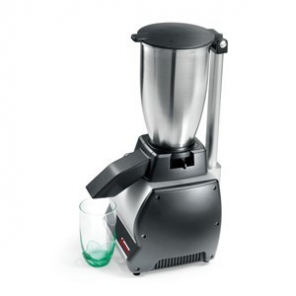
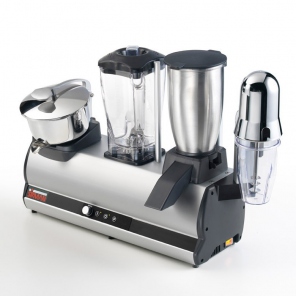
Ice Crusher is a specialized foodservice device designed for mechanically crushing ice cubes or blocks into smaller granules or crushed ice. The crushing process allows for the desired consistency of ice used in drinks, cocktails, food presentations, and for cooling food products. Professional ice crushers are essential equipment for bars, restaurants, hotels, and food establishments specializing in preparing cold drinks and desserts.
Types of Ice Crushers
There are various types of ice-crushing devices available in the foodservice market, differing in design, performance, and additional features. Below are the most important categories:
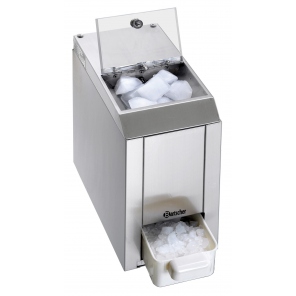
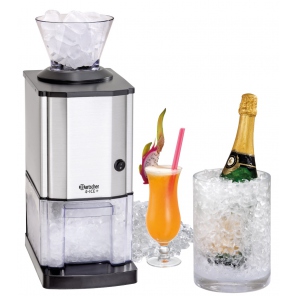
- Single-Function Crushers - dedicated solely to crushing ice, such as the Bartscher 135012 with a capacity of 60kg/h or the Bartscher 135023 4ICE+ with a capacity of 15kg/h. These devices are characterized by compact design and optimized construction for one specific task.
- Crushers with Thickness Adjustment - equipped with a mechanism that allows for adjusting the degree of ice fragmentation. An example is the Triton electric crusher with an adjustable blade and a 2-liter container.
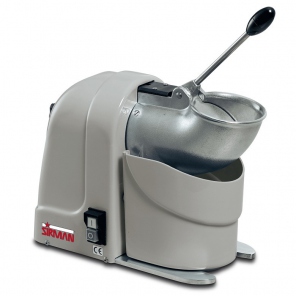
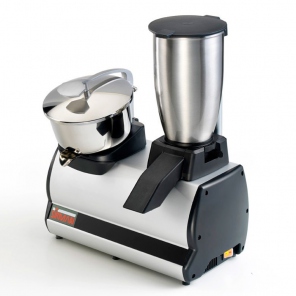
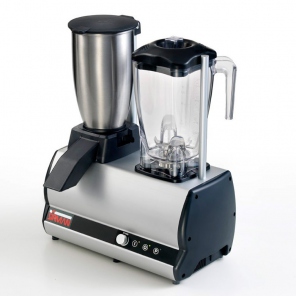
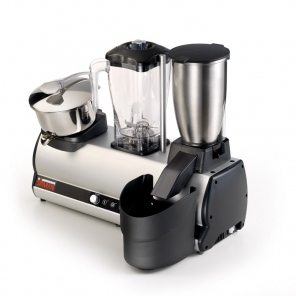
- Multifunctional Devices - combining the function of ice crushing with other operations, such as the Sirman Modulo 2 OQN (crusher and blender), Sirman Modulo 2 ALN (crusher and fruit press), as well as advanced Sirman Modulo 3 and Modulo 4 multifunction robots offering 3 or 4 functions in one device.
Key Technical Parameters
When choosing a professional ice crusher, several technical parameters should be considered, which determine the device's performance and efficiency:
- Motor Power - from 60W in compact models to 750W in multifunction devices. Higher power enables the crushing of larger and harder ice blocks and guarantees a longer motor lifespan with intensive use.
- Performance - measured in kilograms per hour (kg/h), indicating the amount of ice the device can crush in a given time. The range is from 15 kg/h in home and small foodservice models to 60 kg/h in devices for larger establishments.
- Tank Capacity - indicates the amount of ice that can be placed in the device at one time. Typical capacities range from 1-2 liters, though industrial models may offer larger tanks.
- Power Supply Voltage - typically 230V in European conditions, allowing connection to a standard electrical network.
- Material Construction - professional foodservice devices are made of high-quality stainless steel and durable, food-safe plastics that comply with HACCP standards.
Criteria for Choosing the Right Ice Crusher
The selection of the appropriate model should take into account the specifics of the food establishment and the expected equipment workload:
- Establishment Size and Expected Number of Clients - for small outlets, a crusher with a performance of 15-20 kg/h will be sufficient, while larger venues and clubs should opt for devices with a minimum performance of 50-60 kg/h.
- Ice Usage - different consistencies are required for drinks like mojitos (fine crushed ice) and beverages like whiskey on the rocks (larger granules). It’s worth choosing a model with thickness adjustment or interchangeable blades.
- Frequency of Use - for intensive use in cocktail bars, solidly constructed devices with metal working parts are recommended, while occasional use requires models made from plastics with lower power.
- Additional Features - for establishments with limited space, consider multifunction devices like the Sirman Modulo, which offers ice crushing along with blending, juicing, or mixing functions.
- Noise Level - an important parameter in venues where drinks are prepared near customers. Modern models often feature sound insulation to reduce noise during operation.
Applications of Ice Crushers in the Foodservice Industry
Professional ice crushers are used in various areas of foodservice:
- Bars and Clubs - preparation of cocktails, drinks, and cold beverages, where crushed ice is a key ingredient in the recipe.
- Restaurants - presentation of seafood and fish on crushed ice, cooling wine or champagne bottles.
- Hotels - catering for banquets, buffets, and special events where large quantities of chilled drinks are required.
- Grocery Stores - presentation of fresh fish and seafood on refrigerated counters with the use of ice.
- Patisseries and Ice Cream Parlors - production of frozen desserts and slush drinks, where the consistency of the ice is crucial for the final product quality.
Maintenance and Safety of Use
Proper operation and maintenance of ice crushers ensures their long-lasting and trouble-free performance:
- Regular Cleaning - all parts in contact with ice should be cleaned after each use. Most models have removable components, allowing for thorough cleaning with running water.
- Disinfection - according to HACCP requirements, parts that come into contact with food should be periodically disinfected using food-safe agents approved for foodservice use.
- Blade Inspection - regular inspection of blades and cutting mechanisms helps detect potential damage early and prevents malfunctions.
- Electrical Safety - devices with a power range of 150-750W require stable power supply and proper surge protection. Excessive load on the electrical system should be avoided.
- Staff Training - employees operating ice crushers should be trained in proper operation, safety protocols, and hygiene procedures.