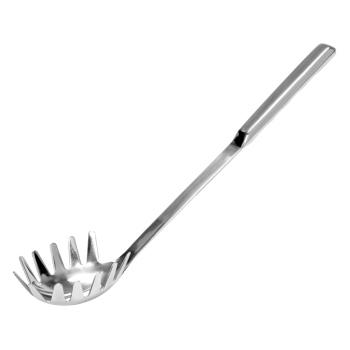
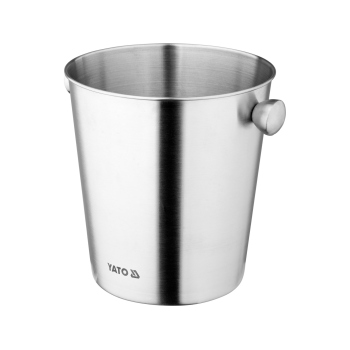
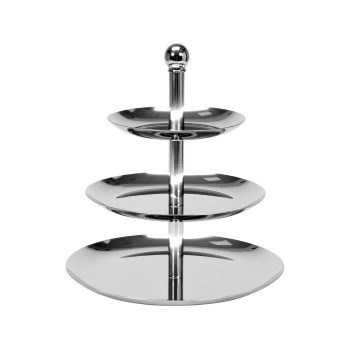
Restaurant Tableware is a fundamental element of every gastronomic establishment. It is a comprehensive set of dishes and accessories designed for the professional presentation and serving of food and beverages. Unlike household tableware, restaurant tableware must meet much stricter requirements due to intensive use, frequent washing in industrial dishwashers, and adherence to the highest hygiene standards.
What is restaurant tableware?
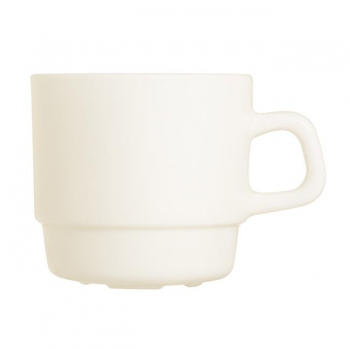
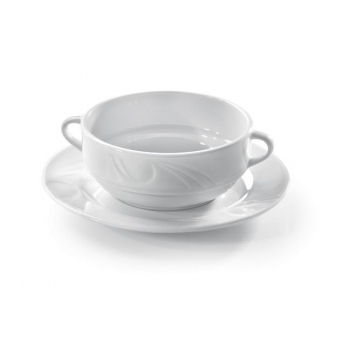
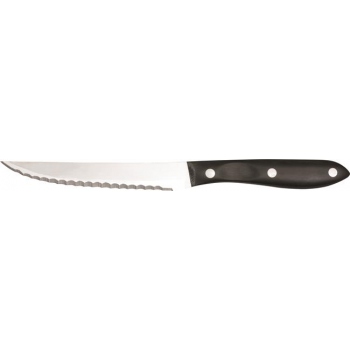
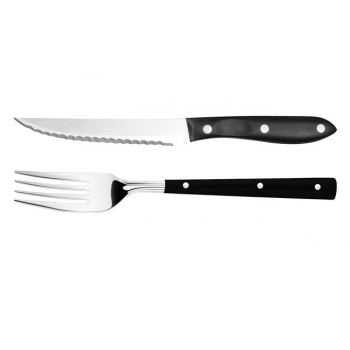
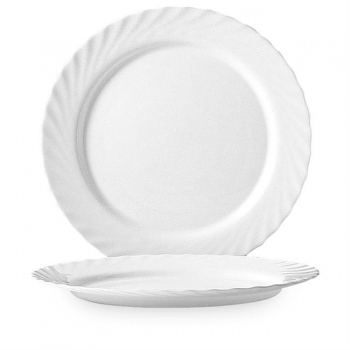
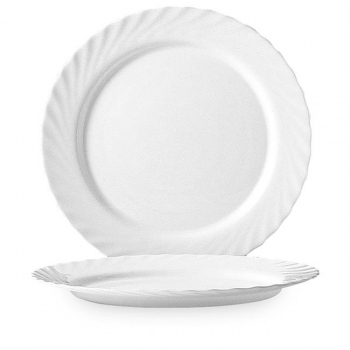
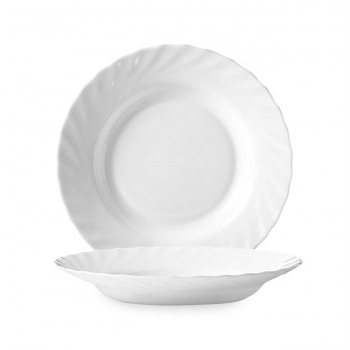
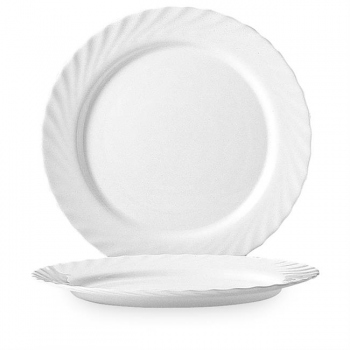
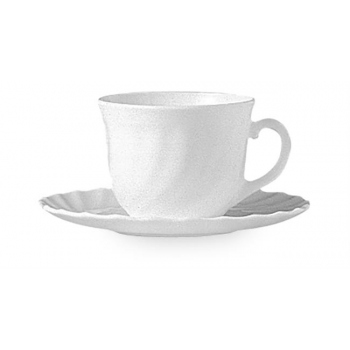
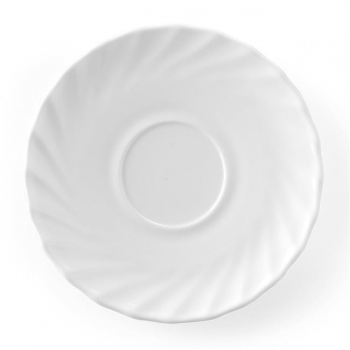
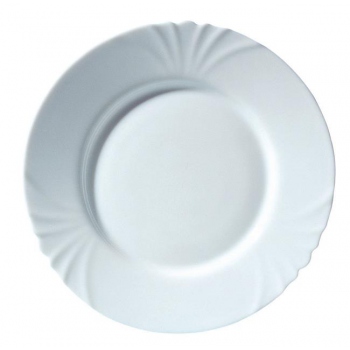
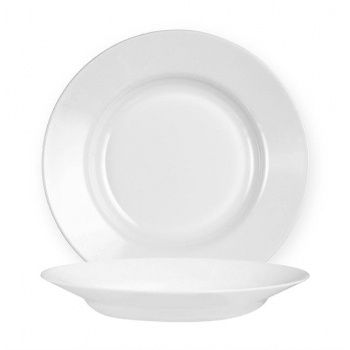
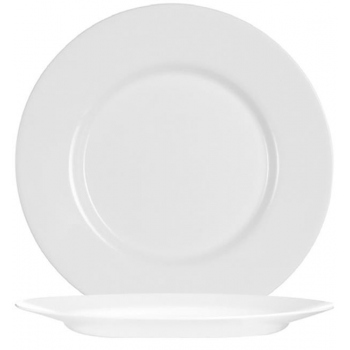
Gastronomy tableware encompasses a wide range of essential items for running a professional catering business. It includes plates of various sizes (flat, deep, dessert), cups, saucers, sauceboats, platters, soup bowls, and cutlery. Every element of restaurant tableware is designed to meet the specific demands of the HoReCa industry, considering aspects such as resistance to mechanical damage, stability during transport, and stackability.
Types of Restaurant Tableware
Depending on its purpose, restaurant tableware can be divided into several main categories:
- Basic tableware - includes standard plates, cutlery, and glassware for everyday use
- Banquet tableware - specialized dishes for handling large events and receptions
- Buffet tableware - items designed for the presentation of dishes in buffet style
- Specialized tableware - dedicated to specific types of dishes or beverages
Each type of tableware features distinct technical parameters and designs tailored to specific applications in gastronomy.
Materials Used in Restaurant Tableware Production
The choice of material is crucial for the durability and functionality of restaurant tableware. The most commonly used materials include:
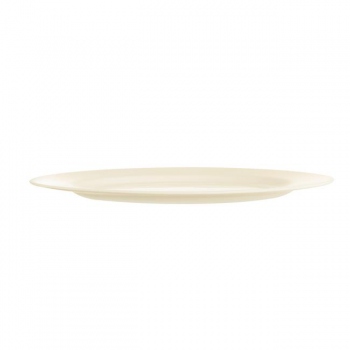
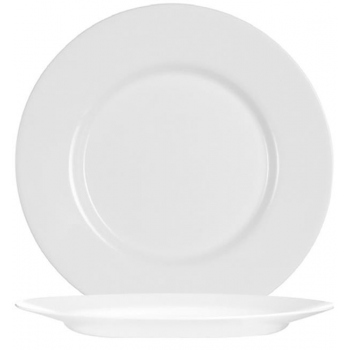
- Hotel porcelain - reinforced, resistant to chipping and scratching, designed for intensive use in gastronomy
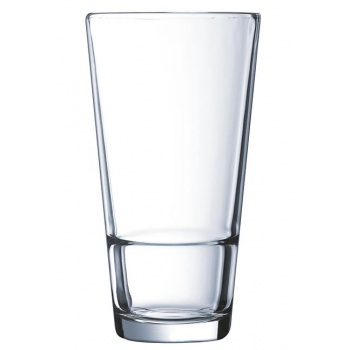
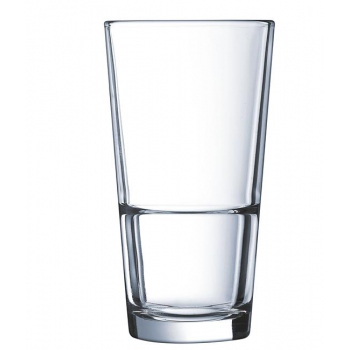
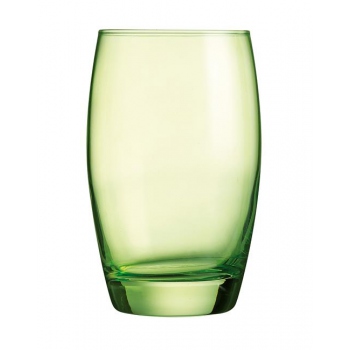
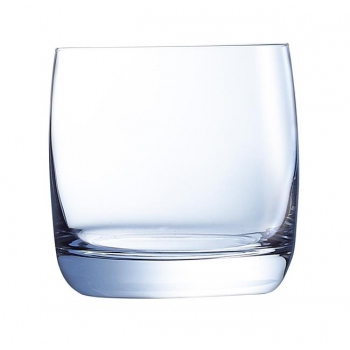
- Tempered glass - characterized by increased resistance to mechanical damage and thermal shock
- 18/10 stainless steel - used in high-quality cutlery and catering accessories
- Melamine - a lightweight and durable material mainly used in catering and banquet services
Key Features of Good Restaurant Tableware
Professional restaurant tableware should meet several technical and functional criteria:
- Mechanical durability - resistance to chipping, scratching, and intensive use in professional gastronomy conditions
- Thermal resistance - safe washing in industrial dishwashers (up to 85°C) and the ability to maintain high temperatures of served dishes
- Stackability - optimal storage space utilization while ensuring safe storage
- Compliance with HACCP standards - meeting requirements for food safety and hygiene in gastronomy
How to Choose Tableware for Your Gastronomic Venue?
The choice of appropriate gastronomy tableware should consider the specifics of the venue:
- Fine dining restaurants - require elegant, high-quality porcelain, often with custom patterns and finishes
- Casual dining restaurants - benefit from classic, durable tableware with a universal design
- Bars and pubs - need primarily durable tableware resistant to intensive use
- Cafes and confectioneries - should invest in specialized tableware for serving beverages and desserts
Tableware and the Type of Cuisine Served
The type of cuisine served determines the choice of appropriate tableware:
- European cuisine - requires classic tableware with a full set of plates of various sizes
- Asian cuisine - needs specialized bowls, sushi plates, and characteristic accessories
- Mediterranean cuisine - various platters and tapas dishes are suitable
- Street food - requires durable, often disposable or biodegradable packaging
When choosing restaurant tableware, practical aspects such as washing frequency, storage space, and anticipated guest turnover should also be considered. Investing in high-quality tableware, although initially costly, translates into lower operating costs and the maintenance of a professional venue image in the long term.

































![Carafe VIN 1l [1pc]](https://wammashop.pl/43729-home_default/karafka-vin-1l-1szt-.jpg)

![TRIANON 300mm bouillon [1 pc].](https://wammashop.pl/43214-home_default/bulionowka-trianon-300mm-1-szt-.jpg)

![ARC 1000ml jug [1pc].](https://wammashop.pl/43367-home_default/dzbanek-arc-1000ml-1szt-.jpg)
![Dzbanek ARC 500ml [1pcs]](https://wammashop.pl/43366-home_default/dzbanek-arc-500ml-1szt-.jpg)

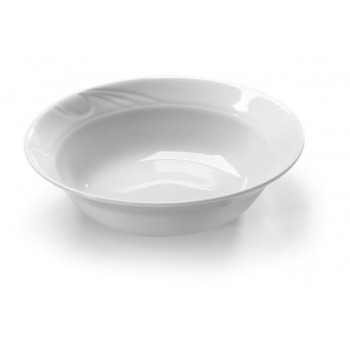
![ZENIX INTENSITY - Misa season’s bar 245mm [1szt.] HD-H4445](https://wammashop.pl/47905-home_default/zenix-intensity-misa-seasons-bar-245mm-1szt-.jpg)