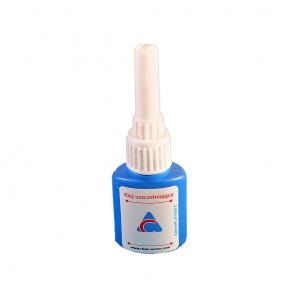
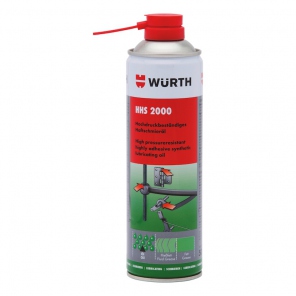
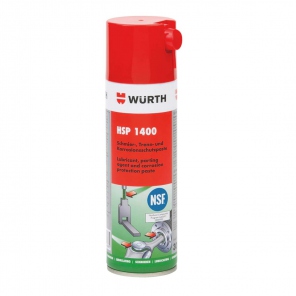
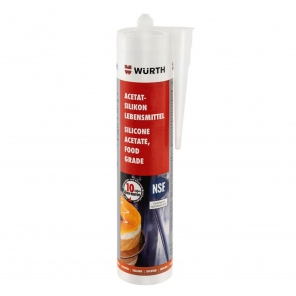
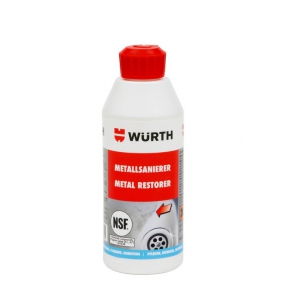
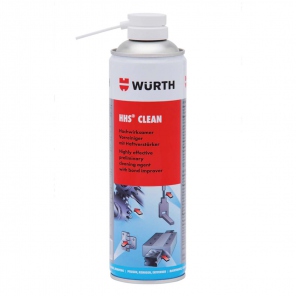
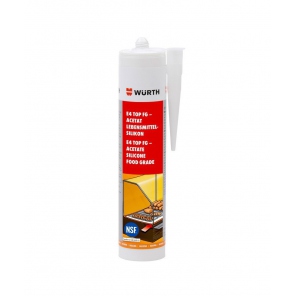
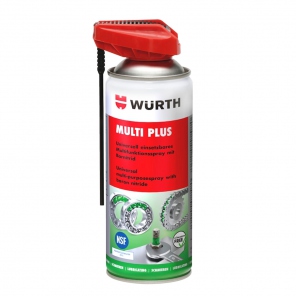
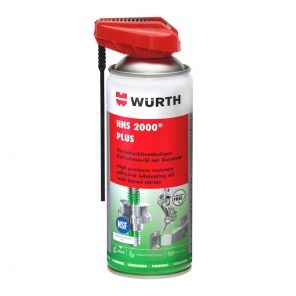
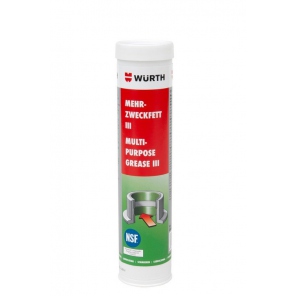
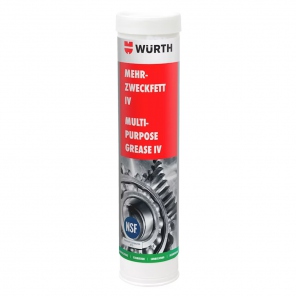
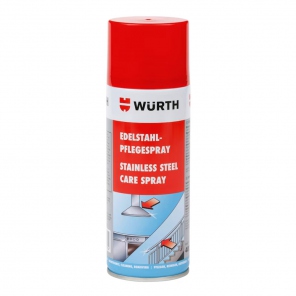
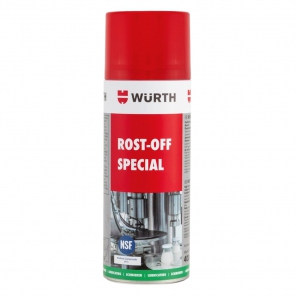
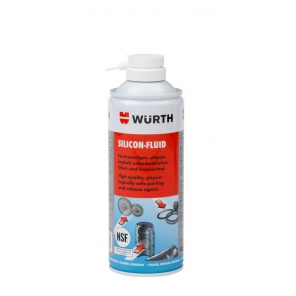
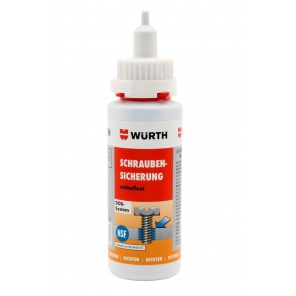
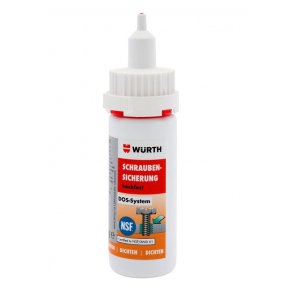
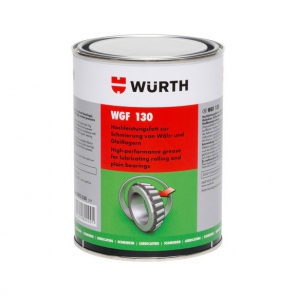
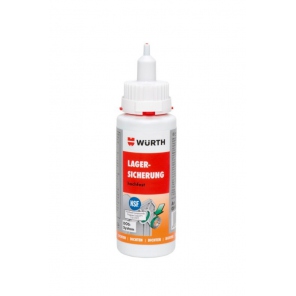
Food-grade lubricants for bearings and threads are specialized lubricating preparations intended for the maintenance and protection of mechanical components in food industry equipment. These products must meet strict FDA (Food and Drug Administration) standards and hold NSF H1 certifications, which confirm safety in the event of incidental food contact. The operating temperature of food-grade lubricants ranges from -40°C to +200°C, depending on the base oil composition and thickeners.
In the food industry, bearing lubricants protect rolling and sliding bearings in mixers, grinders, conveyor belts, and packaging lines. Thread lubricants protect threaded connections against corrosion and facilitate disassembly during technical inspections. Most formulations are based on synthetic PAO (polyalphaolefin) oils or pharmaceutical-grade white oils.
Our offer distinguishes 3 main categories of food-grade lubricants:
- Universal bearing lubricants – multipurpose preparations based on synthetic oil with complex lithium thickener, designed for lubricating rolling bearings at temperatures from -30°C to +150°C
- High-temperature lubricants – specialized formulations with polyurea thickener, resistant to temperatures up to +200°C, dedicated for ovens and thermal equipment
- Penetrating thread lubricants – low-viscosity preparations with anti-corrosion additives, facilitating disassembly of threaded connections and protecting against rust
Technical parameters of food-grade lubricants include consistency class according to NLGI (National Lubricating Grease Institute) – usually NLGI 2 or 3, dropping point above 180°C, and water washout resistance according to DIN 51807. EP (extreme pressure) additives in gear greases increase the load-carrying capacity of the lubricating film under high loads.
The choice of lubricant depends on the type of bearing, rotational speed, load, and environmental conditions. Ball bearings require greases with lower consistency than roller bearings. For high rotational speeds, synthetic greases with low base oil viscosity are used. The relubrication frequency is determined based on the equipment manufacturer’s instructions and operating conditions.