What Are Heat Treatment Devices?
Heat treatment devices are fundamental equipment in professional kitchens, enabling the preparation of dishes using various thermal techniques. These are advanced gastronomic systems that allow precise control of temperature and processing time, ensuring repeatable results and maintaining high food safety standards.
In modern gastronomy, these devices are characterized by a high degree of automation, utilizing advanced control and monitoring systems. Key technical parameters include: heating power, temperature range (typically from 30°C to 300°C), even heat distribution, and energy efficiency.
Types of Heat Treatment Devices
Stoves and Cooking Ranges
Commercial stoves and cooking ranges are the basic equipment of any professional kitchen. Available in gas, electric, or induction versions, they offer a wide power range (from 3.5 kW to 22 kW per burner). They feature modular construction, allowing configurations tailored to the needs of the establishment. Key parameters include: number of cooking zones, power of individual burners, and type of work surface.
Convection and Combi-Steam Ovens
Convection ovens use forced hot air circulation for even heat distribution. Combi-steam ovens additionally allow cooking with steam. Key technical parameters include: chamber capacity (from 4 to 40 GN containers), temperature range (30-300°C), relative humidity (0-100%), and control system (manual or electronic with a touch screen).
Deep Fryers
Commercial deep fryers are specialized devices for deep-frying. They are equipped with precise thermostats controlling oil temperature (up to 190°C) and filtration systems extending the frying medium's lifespan. Important parameters include: tank capacity (from 8 to 22 liters), heating power (from 3 kW to 15 kW), and efficiency (expressed in kg/h).
Grills and Griddle Plates
Commercial grills and griddle plates allow the preparation of dishes at high temperatures with a searing effect. They come in smooth, ribbed, or combined surface options. Key parameters include: maximum temperature (up to 300°C), working plate thickness (from 12 to 20 mm), and heating zone (single- or multi-zone with independent regulation).
Boiling Kettles
Boiling kettles are designed for preparing large quantities of soups, sauces, and other liquid dishes. Available with direct or indirect heating (water jacket). Key parameters include: kettle capacity (from 50 to 500 liters), jacket pressure (0.5 - 1.5 bar), and temperature control system.
Tilt Skillets
Tilt skillets enable the preparation of large portions of fried, braised, and cooked dishes. They are equipped with a tilting mechanism for easy emptying. Important parameters include: pan capacity (from 40 to 200 liters), bottom thickness (from 8 to 12 mm), and lifting system (manual or electric).
Pasta Cookers
Pasta boilers are specialized devices equipped with baskets for simultaneous preparation of different portions. They feature a water replenishment system and temperature control. Key parameters include: tank capacity (from 20 to 40 liters), number of baskets, and water filtration system.
Sous-Vide Devices
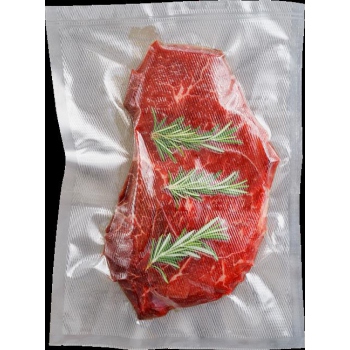
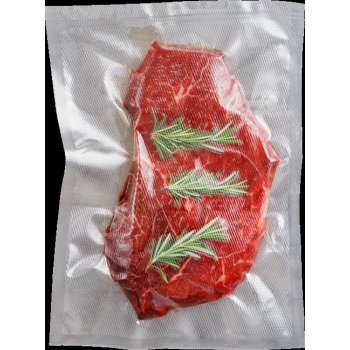
Sous-vide devices allow vacuum cooking at low temperatures, ensuring precise process control. They are equipped with water circulators and temperature control systems with an accuracy of 0.1°C. Important parameters include: temperature range (5-95°C), temperature stability, and working capacity.
Technologies Used in Heat Treatment Devices
Modern heat treatment devices utilize advanced technological solutions, enhancing efficiency and process control. Key technologies include: energy management systems, intelligent temperature sensors, and advanced user interfaces.
An important trend is the implementation of IoT systems (Internet of Things) enabling remote monitoring and control of devices. Manufacturers are also introducing solutions improving energy efficiency, such as heat recovery and automatic power adjustment systems.
Modern devices are often equipped with automatic cleaning systems, programmable work cycles, and diagnostic functions facilitating maintenance and servicing. Solutions enhancing work safety, such as multi-level safety systems and monitoring of critical parameters, are also being introduced.