Refrigeration equipment constitutes a fundamental part of the setup in any foodservice establishment, warehouse, or retail outlet dealing with food. These are specialized systems designed to store products under controlled temperature conditions, ensuring their freshness, microbiological safety, and compliance with HACCP standards.
What is refrigeration equipment in gastronomy?
Refrigeration equipment in gastronomy refers to professional systems used for storing, displaying, and preserving food products at temperatures below ambient. Their primary function is to maintain appropriate temperature conditions ranging from +10°C to -25°C, depending on the type and purpose of the device. Each refrigeration device is equipped with automatic regulation systems that ensure stable storage conditions and optimal energy consumption.
Types of refrigeration equipment in gastronomy
Refrigerators and Coolers
Gastronomic refrigerators are basic refrigeration devices used in every professional kitchen. They feature temperature ranges from 0°C to +10°C and are equipped with:
- An automatic defrost system to prevent ice buildup
- Adjustable stainless steel shelves compatible with GN containers
- A forced air circulation system ensuring even temperature
- A digital control panel with a temperature display
Freezers
Gastronomic freezers are specialized refrigeration devices maintaining temperatures from -18°C to -25°C. Their design offers:
- Quick and efficient freezing of food products
- Capability for long-term storage of frozen goods
- An alarm system notifying about temperature breaches
- Thicker thermal insulation for optimized energy consumption
Refrigeration and Freezer Cabinets
Refrigeration and freezer cabinets are professional refrigeration devices with large capacities, ideal for storage refrigeration equipment. They feature:
- Capacities ranging from 500 to 2000 liters
- Capability to store products on multiple levels
- Self-closing doors with magnetic seals
- Adjustable shelf heights to accommodate various containers
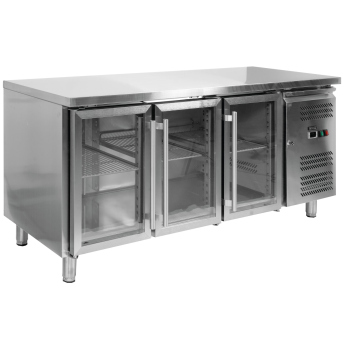
Refrigerated Display Cases
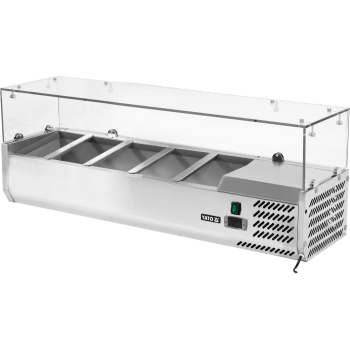
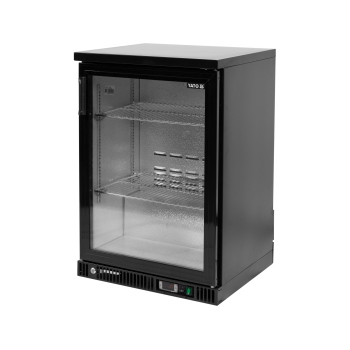
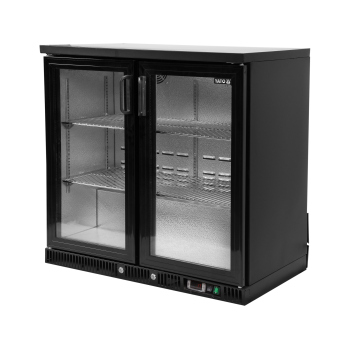
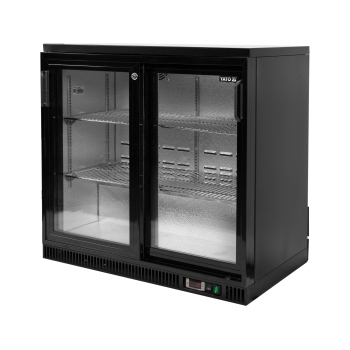
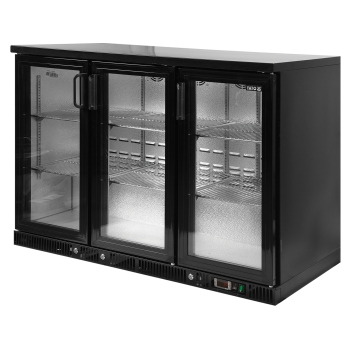
Refrigerated display cases combine cooling functionality with product display. They are essential in stores, patisseries, and foodservice points. They feature:
- Glass walls providing excellent product visibility
- LED lighting to enhance display appeal
- A cooling system with forced air circulation
- Adjustable shelf height and tilt angle
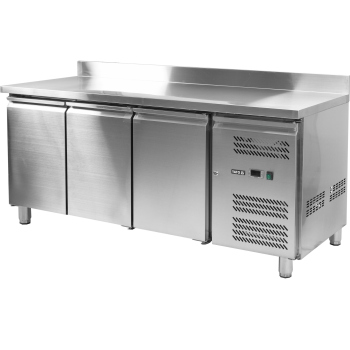
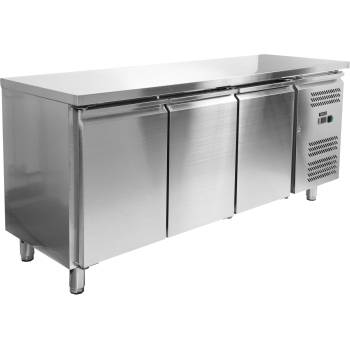
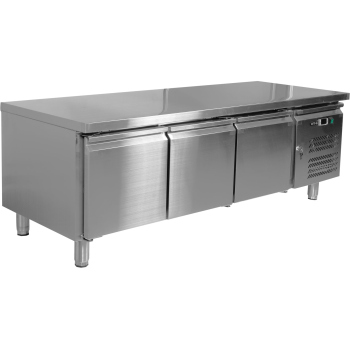
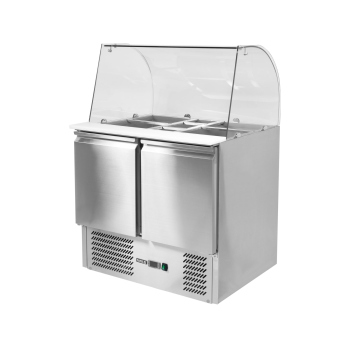
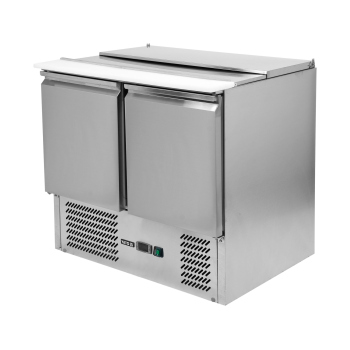
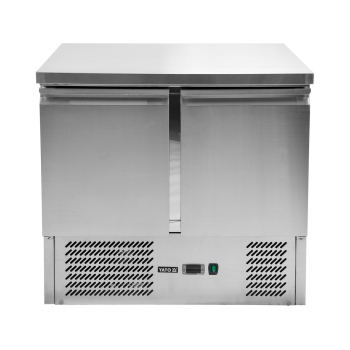
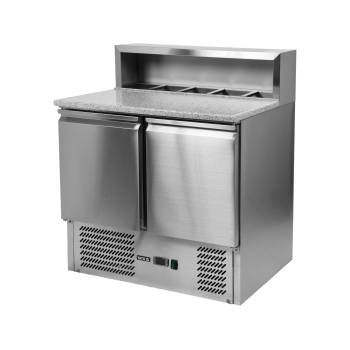
Refrigerated Work Tables
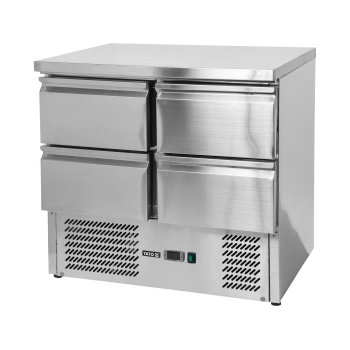
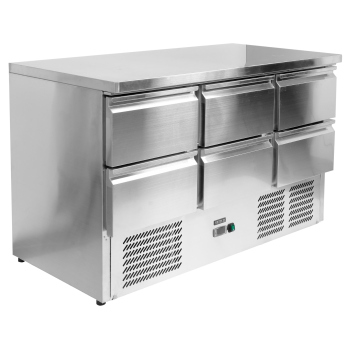
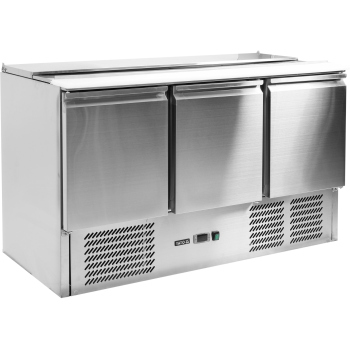
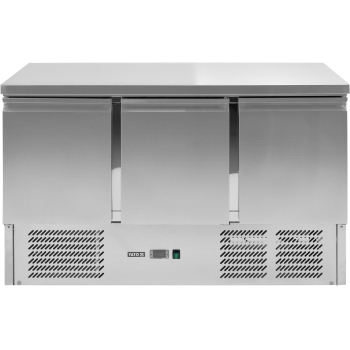
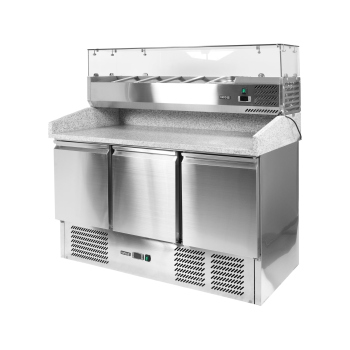
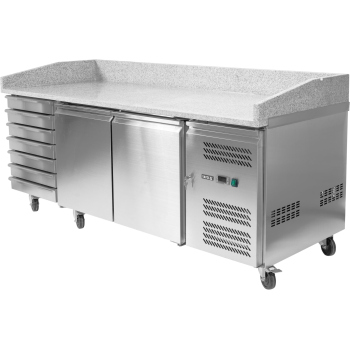
Refrigerated work tables are multifunctional refrigeration devices that combine a work surface with refrigeration space. Their design includes:
- A convenient space for food preparation
- Drawers and refrigerated compartments under the worktop
- Capability to store products within a chef's immediate reach
- A stainless steel worktop resistant to damage
Blast Chillers
Blast chillers are specialized refrigeration devices designed for quickly reducing the temperature of prepared dishes. Their main features include:
- Capability to cool products from +90°C to +3°C in under 90 minutes
- A quick freezing system down to -18°C
- A temperature probe for monitoring the chilling process
- Programmable cycles tailored to different products
Ice Cream Equipment
Ice cream equipment is a specialized category of refrigeration devices used for making and storing ice cream. They include:
- Freezers for producing fresh ice cream
- Display cases for showcasing and storing ice cream
- Freezer cabinets for storing reserves
- Systems for dispensing toppings and sprinkles
How does refrigeration equipment work?
The principle of refrigeration equipment operation is based on the compression and expansion of the refrigerant. The refrigeration system comprises four main components:
- Compressor - responsible for compressing the refrigerant and raising its temperature
- Condenser - where heat is released to the surroundings and the refrigerant condenses
- Expansion valve - reducing the refrigerant pressure and temperature
- Evaporator - where heat is absorbed from the cooled space
Modern refrigeration devices utilize advanced temperature and humidity control systems to ensure optimal storage conditions for various food products. They are equipped with energy-efficient inverter compressors, eco-friendly refrigerants compliant with environmental standards, and intelligent energy management systems.