Filleting Knives – Precision Tools for Professionals
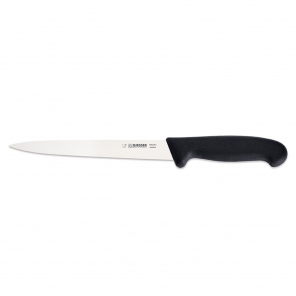
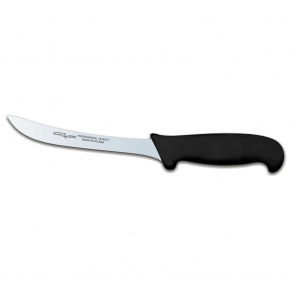
Filleting knives are a specialized category of cutting tools designed specifically for separating meat from bone and skin with high precision. In professional gastronomy, where yield and presentation are paramount, these tools play a crucial role. Their characteristic design – a narrow, flexible blade and a sharp, pointed tip – allows for cutting along the natural anatomy of the fish. This minimizes product waste and results in perfectly smooth fillets. Our offer includes proven solutions from leading manufacturers such as Victorinox, Giesser, Dick, Morakniv, and IVO, allowing you to choose the perfect tool for your specific workflow.
Types of Filleting Knives – Overview of Solutions
Available filleting knives differ in blade construction, degree of flexibility, and intended use. Selecting the right model ensures efficient work with both small catch and industrial processing of large specimens. Below we discuss the most popular brands and series available in our assortment.
Victorinox – Swiss Precision
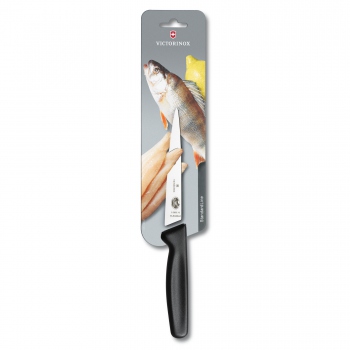
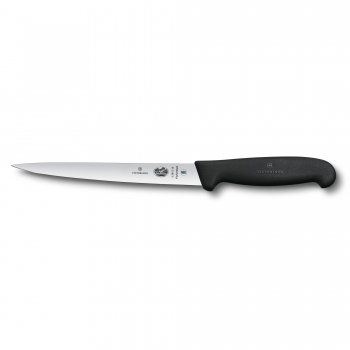
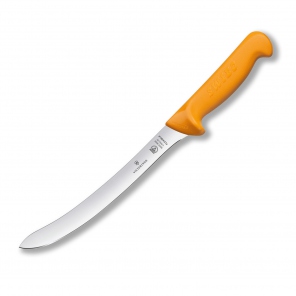
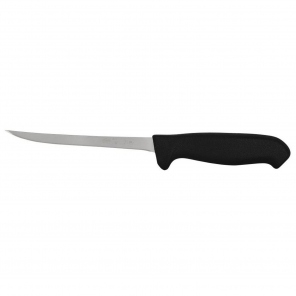
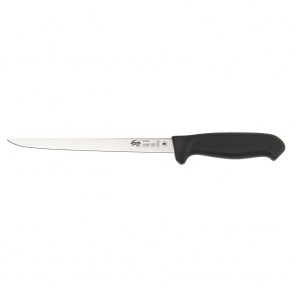
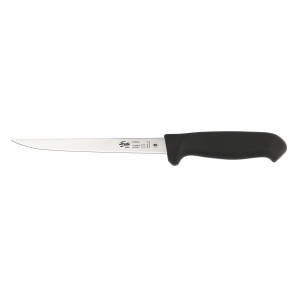
Swiss-made Victorinox is in a class of its own. The basic Fibrox series offers models with blade lengths of 16 cm and 18 cm. They are distinguished by a very flexible blade and a non-slip handle, ensuring excellent control even with wet hands. These models offer great value for professional use.
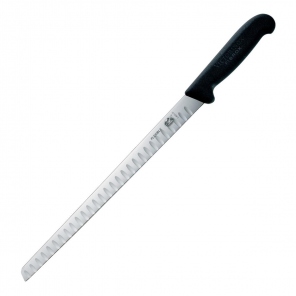
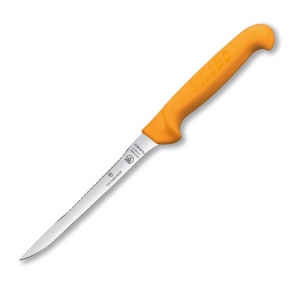
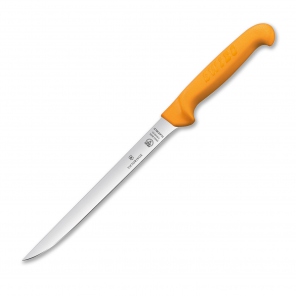
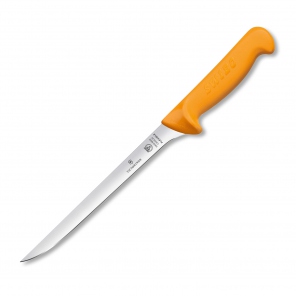
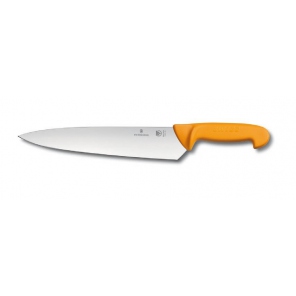
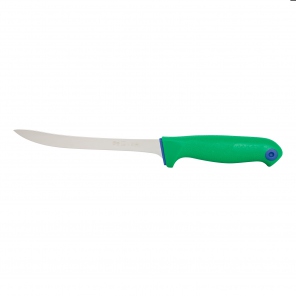
For more demanding tasks, the Swibo series is designed for intensive professional use (sterilizable up to 110°C). This line includes knives with lengths of 16, 20, and 26 cm. A notable option is the specialized Fibrox model with a fluted edge (Granton edge) dedicated to slicing salmon – the dimples on the blade prevent fatty meat from sticking to the steel.
Giesser – German Reliability
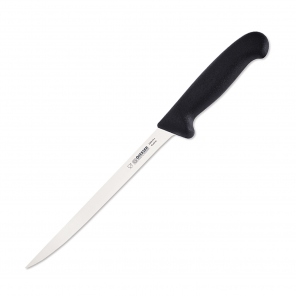
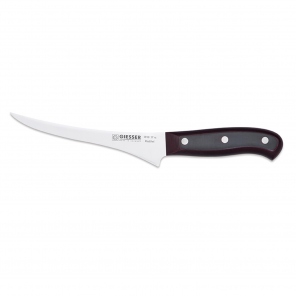
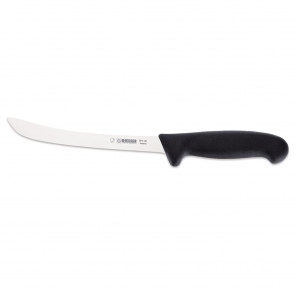
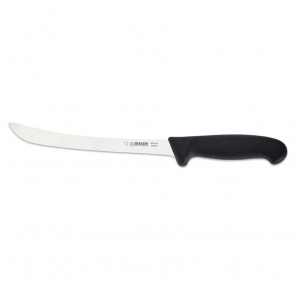
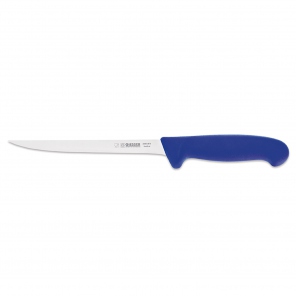
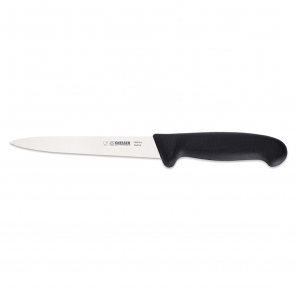
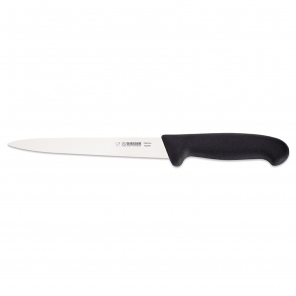
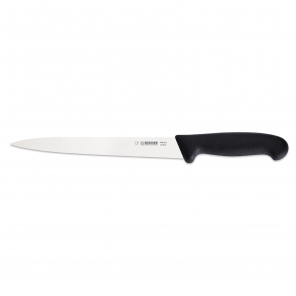
German manufacturer Giesser offers a wide range of tools. Worth noting is the 2275 series (18 and 21 cm blades) and the narrower, more flexible 2285 line, ideal for precision tasks. For chefs who value design and top quality, Giesser has prepared the Rocking Chefs series (Model No 1) with a Micarta handle – a material that is both extremely durable and elegant.
If you are looking for maximum flexibility, check out the 7365 series. These are knives with very flexible blades ranging from 16 to 22 cm, which work excellently against fish bones.
Dick and Morakniv – Ergonomics and Tradition
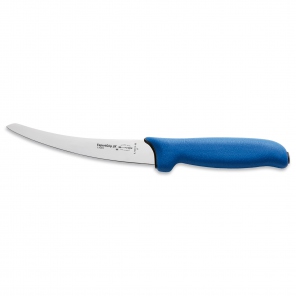
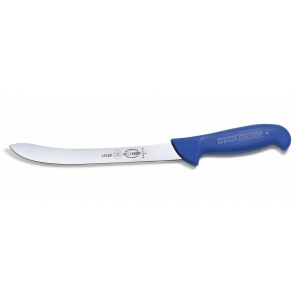
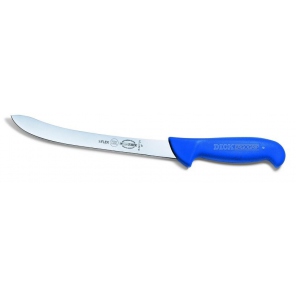
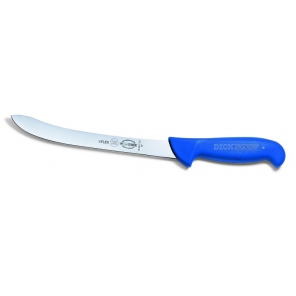
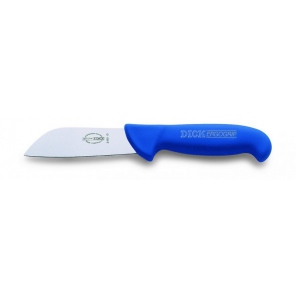
The Dick brand is famous for perfect ergonomics. Their semi-flexible knives (Ergogrip series) with lengths of 15, 18, and 21 cm are the "workhorses" in many kitchens, offering an excellent price-to-quality ratio.
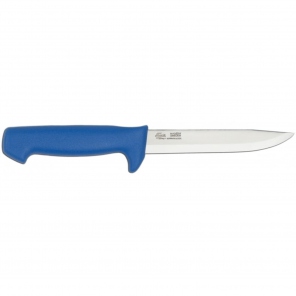
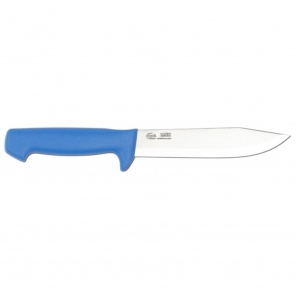
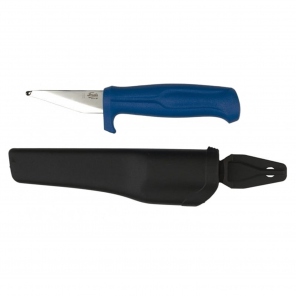
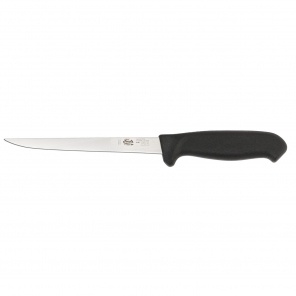
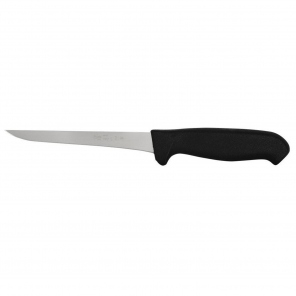
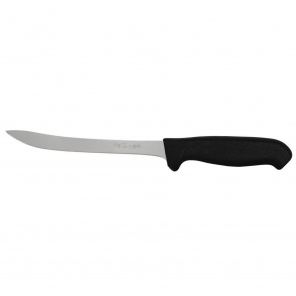
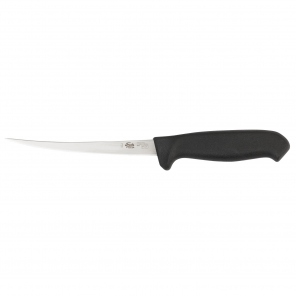
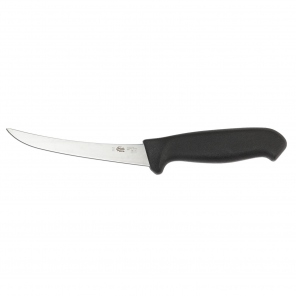
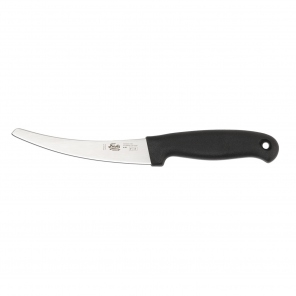
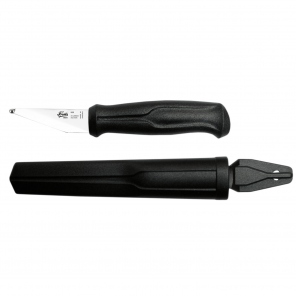
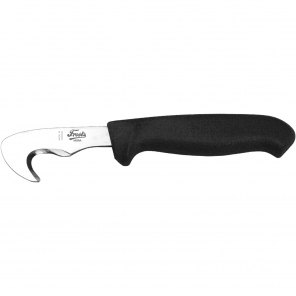
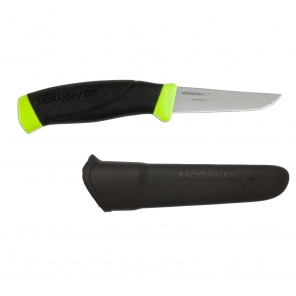
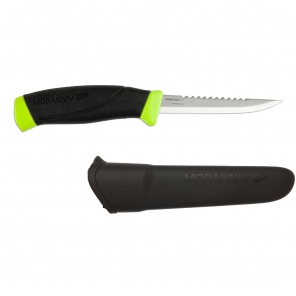
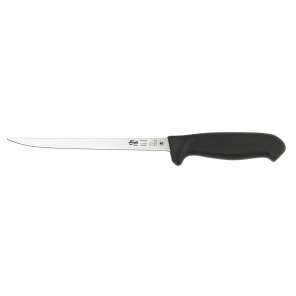
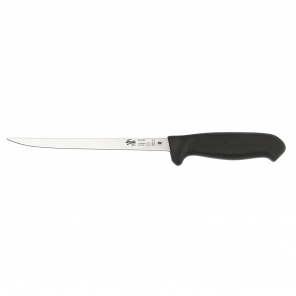
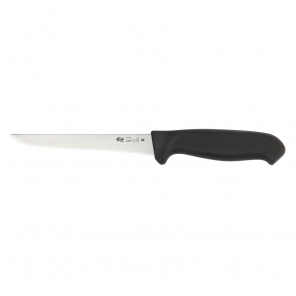
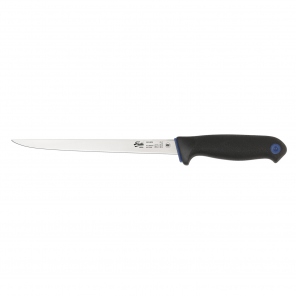
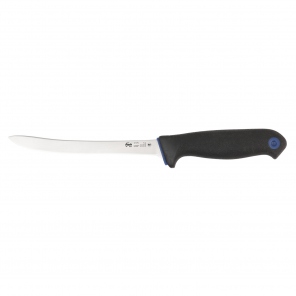
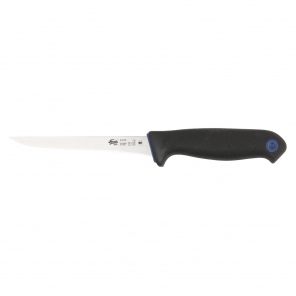
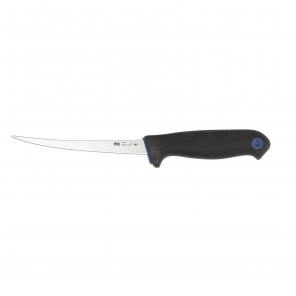
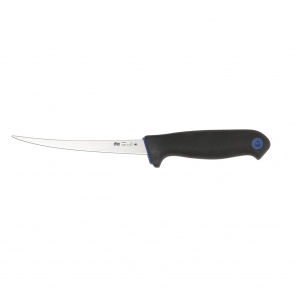
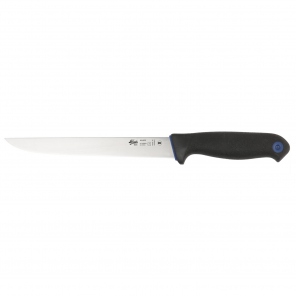
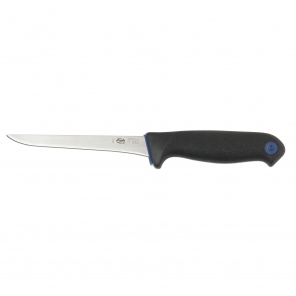
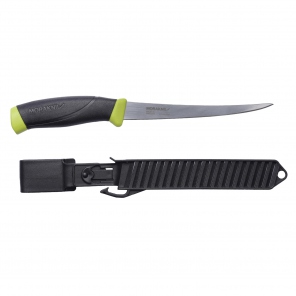
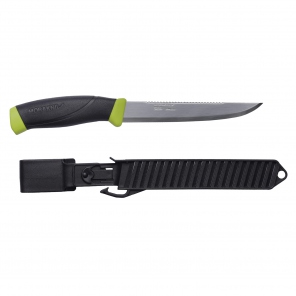
Swedish Morakniv represents a nod to fishing tradition. Their gutting and filleting knives (models 1030 SP and 1040 SP) feature specific blade geometry. The offer also includes specialized tools, such as a knife with a blunt ball tip (preventing puncture of internal organs when opening the fish) or gutting hooks.
Budget Solutions – IVO and Hendi
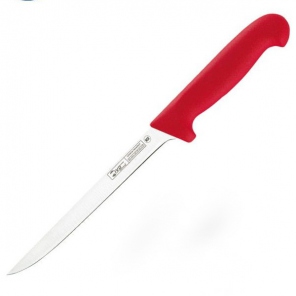
For gastronomy businesses looking for savings without a drastic drop in quality, we recommend IVO and Hendi brands. IVO knives are solid, budget-friendly tools. Hendi products (HACCP compliant) are available at very attractive prices and with various handle colors, facilitating hygiene maintenance and tool segregation in the kitchen.
Features of a Professional Filleting Knife
Making a conscious choice requires understanding the knife's parameters. They determine whether the work will be fast and safe or a struggle.
Blade Flexibility
This is a key parameter. Flexible blades (approx. 1.8–2.0 mm thick) are indispensable for processing delicate fish such as sole, flounder, or trout. The blade yields to pressure, gliding smoothly over bones, which maximizes meat yield.
Semi-flexible and stiff blades are the choice for universal tasks and working with larger fish with harder meat and thicker bones (e.g., cod, zander). A stiff blade is also safer for beading (decapitating), where more force and stability are needed.
Blade Length and Width
The golden rule states that the knife should be about 5 cm longer than the width of the fish being filleted. A 16 cm blade is sufficient for trout, but for salmon or large cod, a 20 cm or longer knife is essential. A narrow blade ensures maneuverability and precision, while a wider one provides greater stability.
Steel and Its Parameters
The standard in gastronomy is stainless steel with a hardness of 56–58 HRC. This hardness is a compromise between edge retention and ease of re-sharpening. Knives must also be corrosion-resistant, which is an absolute necessity in the humid environment of fish processing.
Ergonomics and Safety
Working with fish means working in a wet, slippery environment. Therefore, the handle must ensure a secure grip. Materials like Fibrox, polyamide, or specially textured surfaces are indispensable here. Knife balance is also important – a well-balanced tool does not fatigue the wrist even after filleting dozens of kilograms of product.
Application in Various Types of Gastronomy
Restaurants and Fish Bars
In fine dining restaurants serving fish, cutting precision and fillet aesthetics count the most. High-flexibility knives excel here. In fish and chip shops or bars where throughput is high, tool durability and speed of work become key – semi-flexible models with ergonomic handles are often chosen here.
Sushi and Sashimi
Although traditional Japanese knives (Yanagiba) are single-beveled and very stiff, classic filleting knives are often used in European conditions for the initial processing of fish for sushi. However, for slicing sashimi or rolls, knives with different geometry are used to achieve a perfectly smooth cut surface.
Processing Plants
In processing plants, hygiene and efficiency are priorities. Knives must withstand frequent sterilization and aggressive washing. Series like Victorinox Swibo are the standard here due to strict sanitary requirements.
How to Care for Fish Knives?
Even the best knife will lose its properties without proper care. Filleting blades are more delicate than typical chef's knives, so they require attention.
- Sharpening: Maintain an angle of 15–20 degrees. Regularly use a honing steel to align the edge before work. For proper sharpening, we recommend water stones or professional diamond sharpeners.
- Washing: Although many professional knives are dishwasher safe, we recommend hand washing. Chemicals and high temperatures can weaken the steel structure and dull the handle over time. Dry the knife immediately after washing.
- Storage: Never throw knives loose into a drawer – this is the fastest way to chip the delicate edge. Magnetic strips or blocks are the best solution.